Mud
Monsters
by Grace White
Subverting the femme fatale
Assertion & Power
Theme
Gruesome Sexuality
Theme
Embracing the Ugly
Theme
Tenderness & Disarming
Theme
Reclamation
Theme
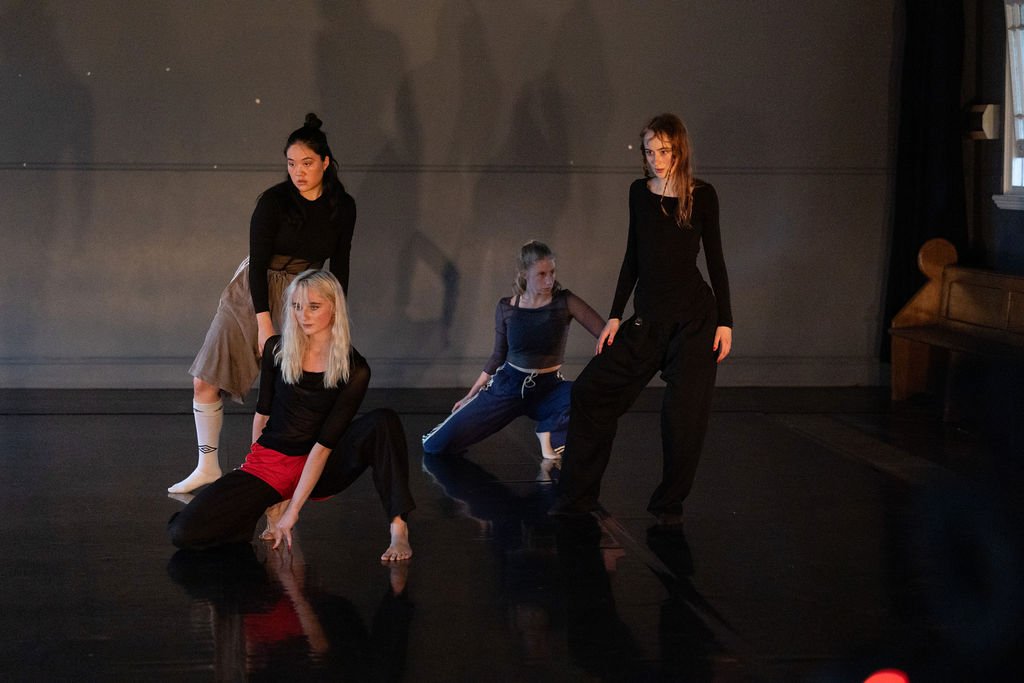
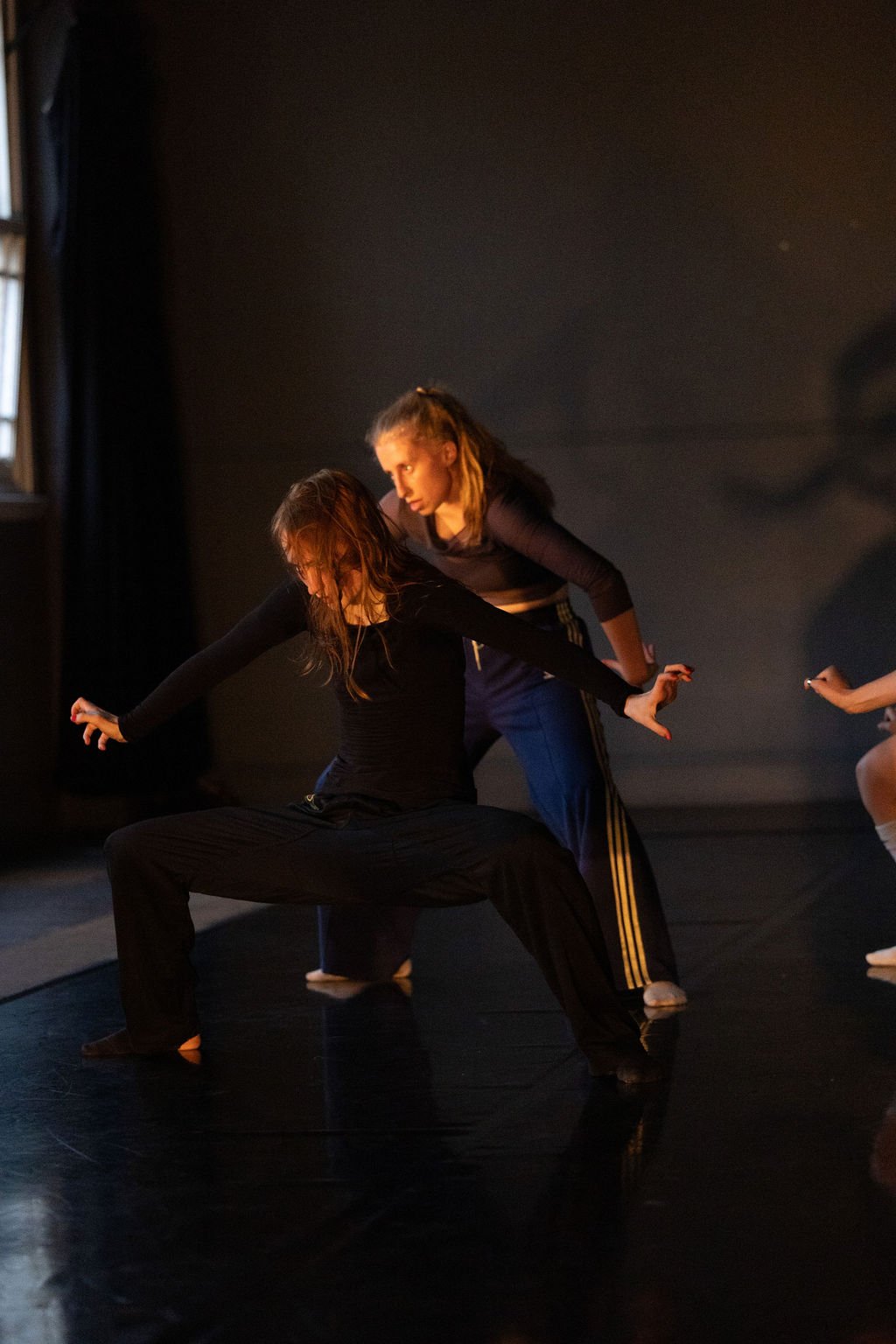
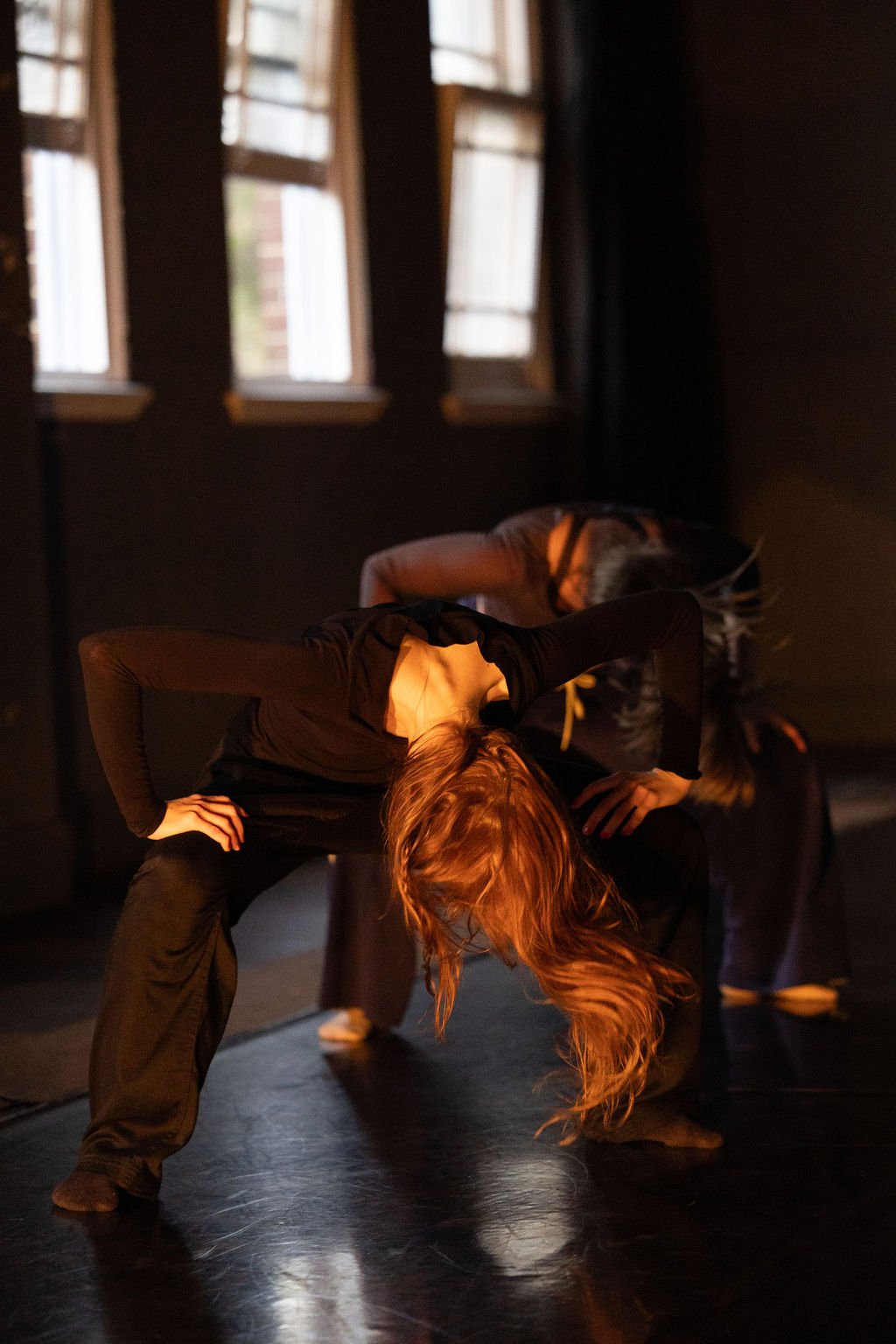
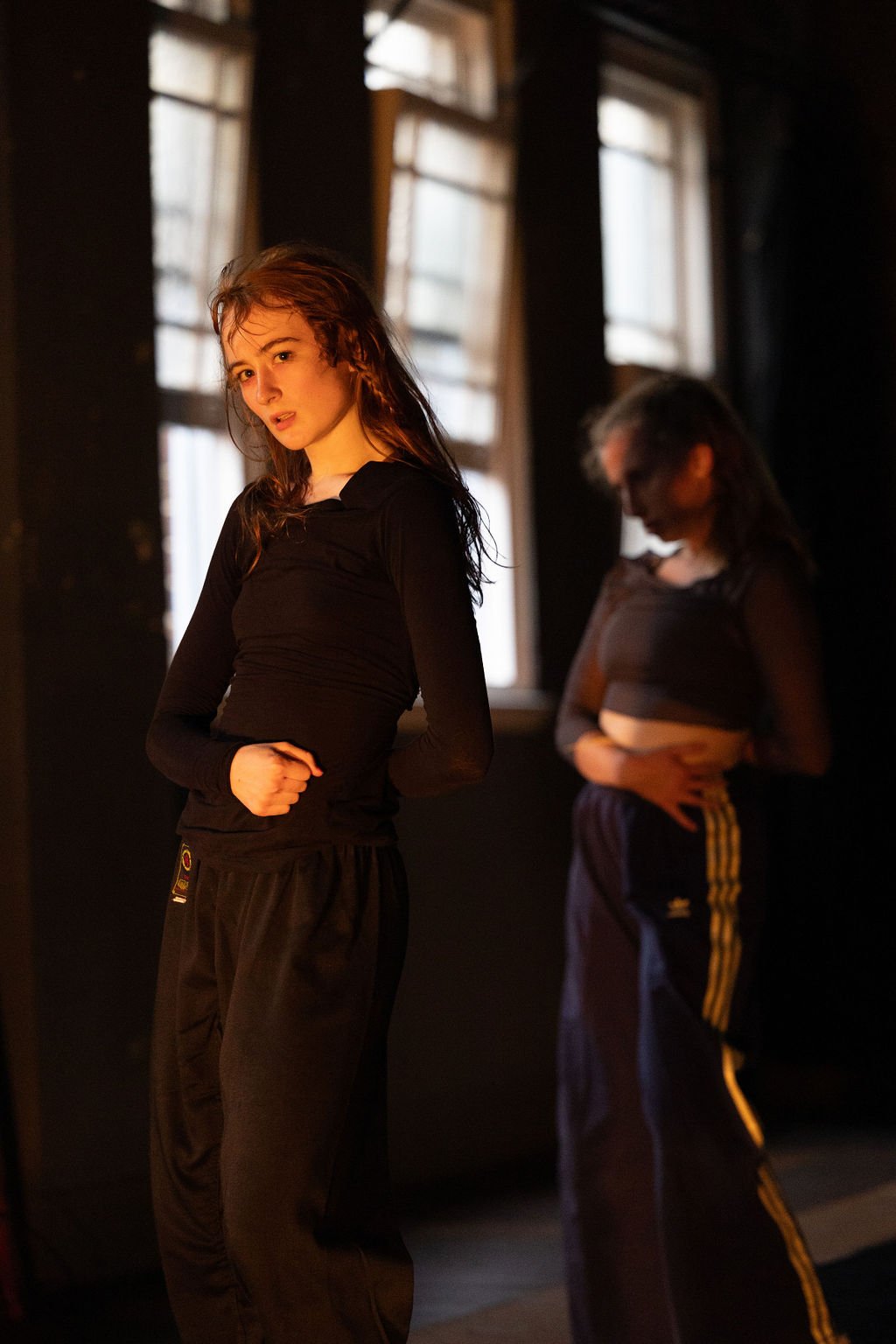
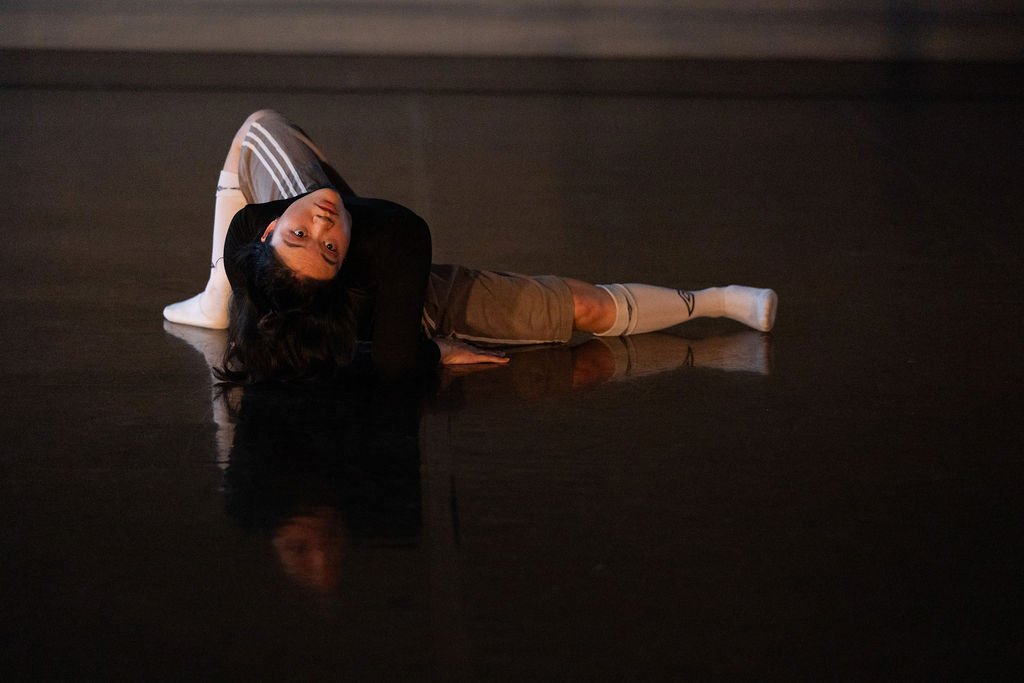
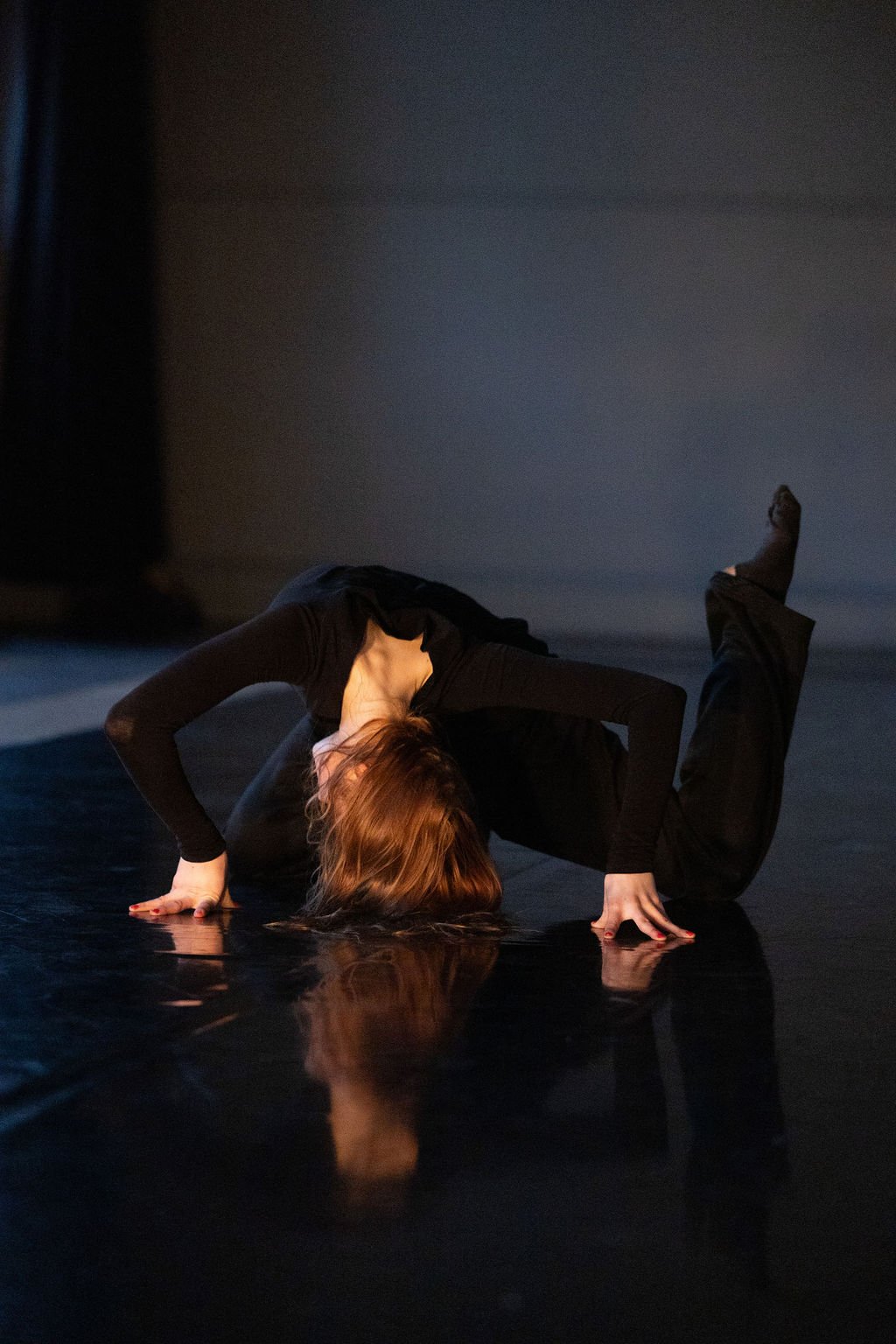
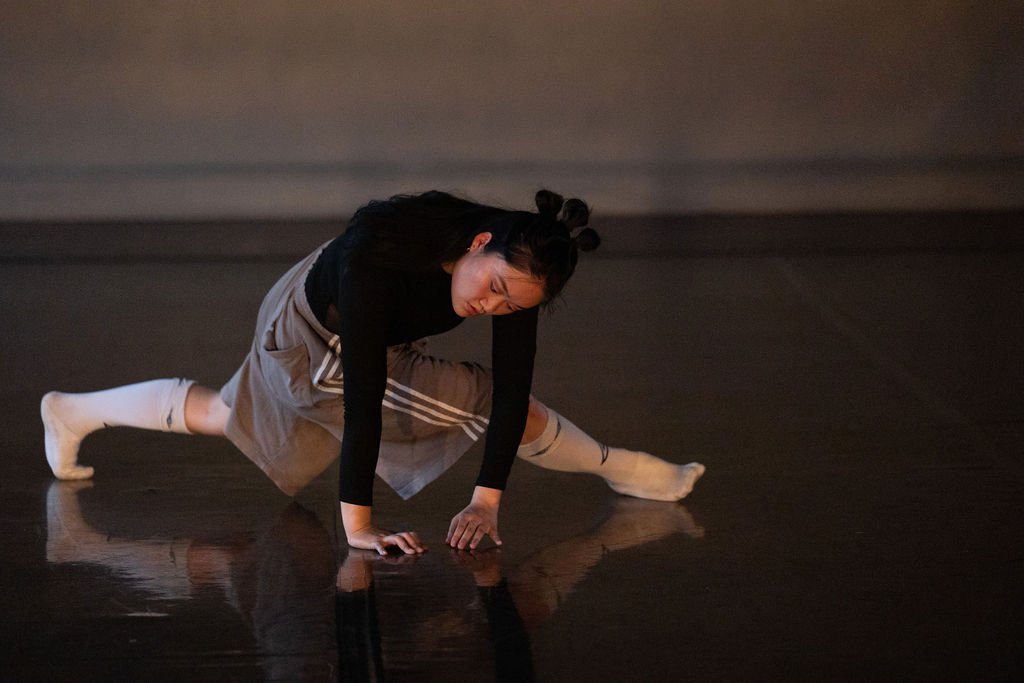
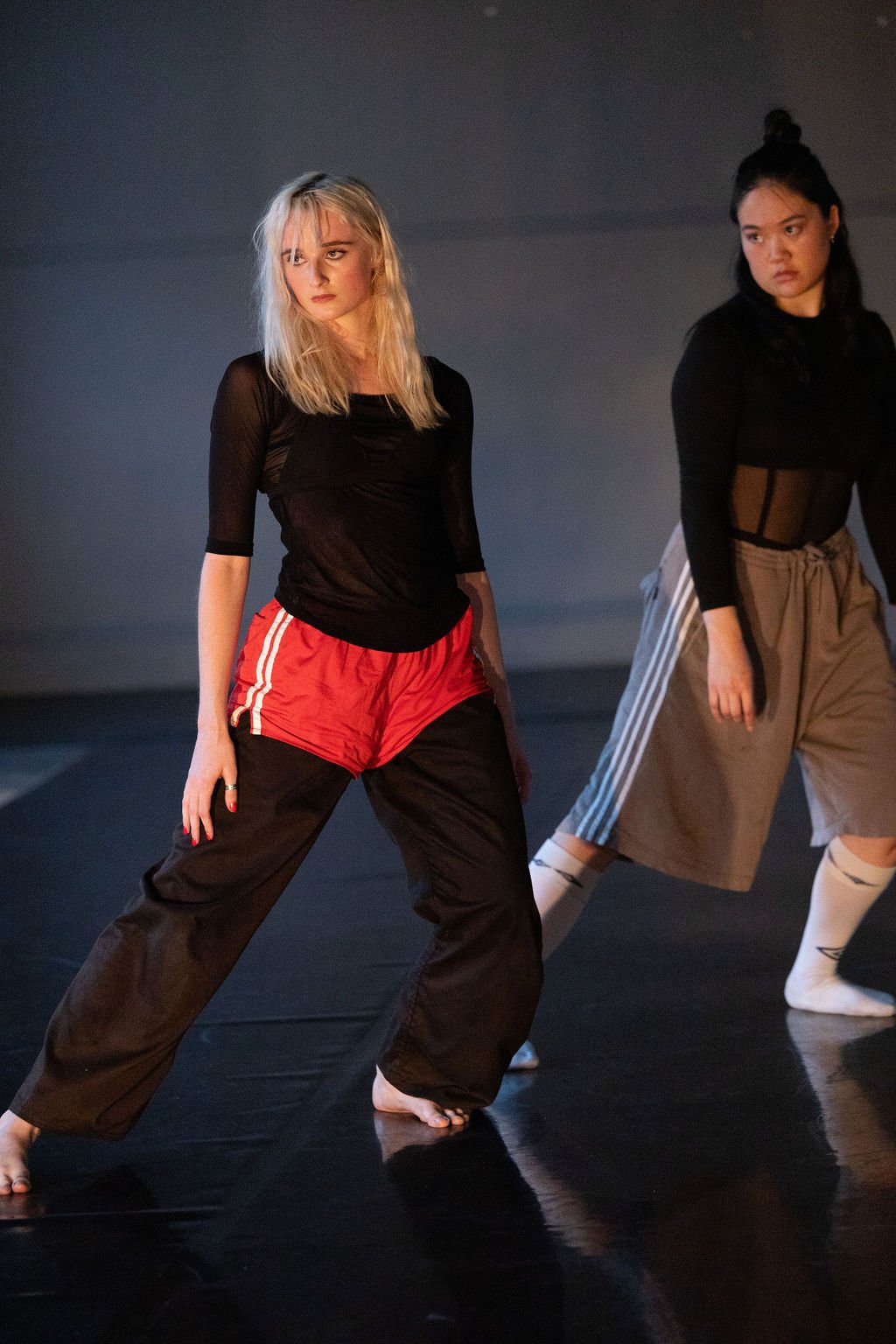
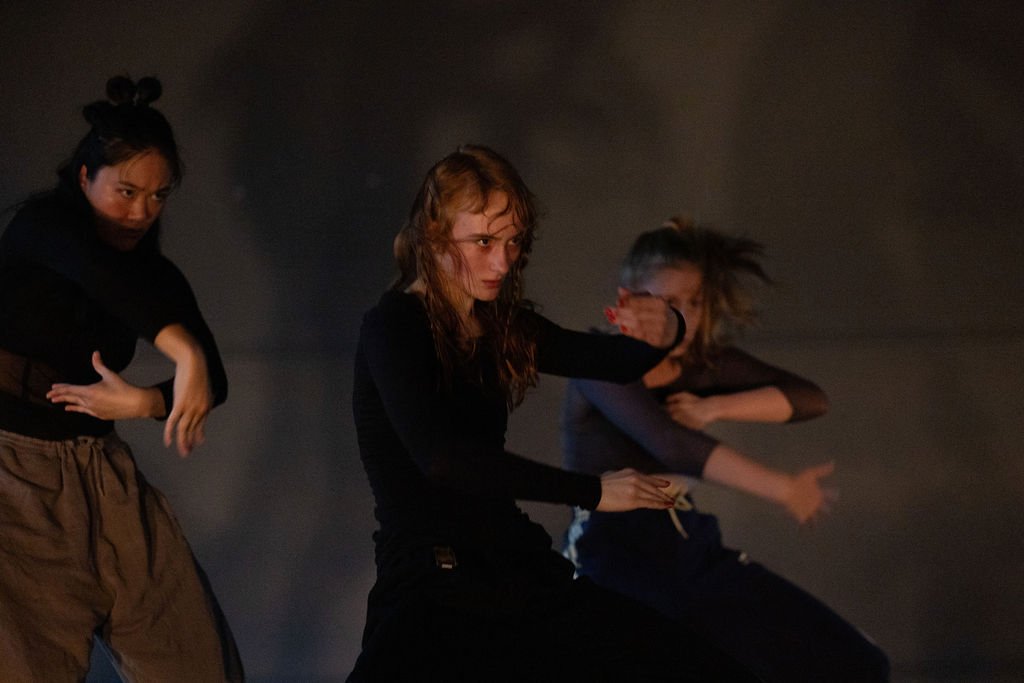
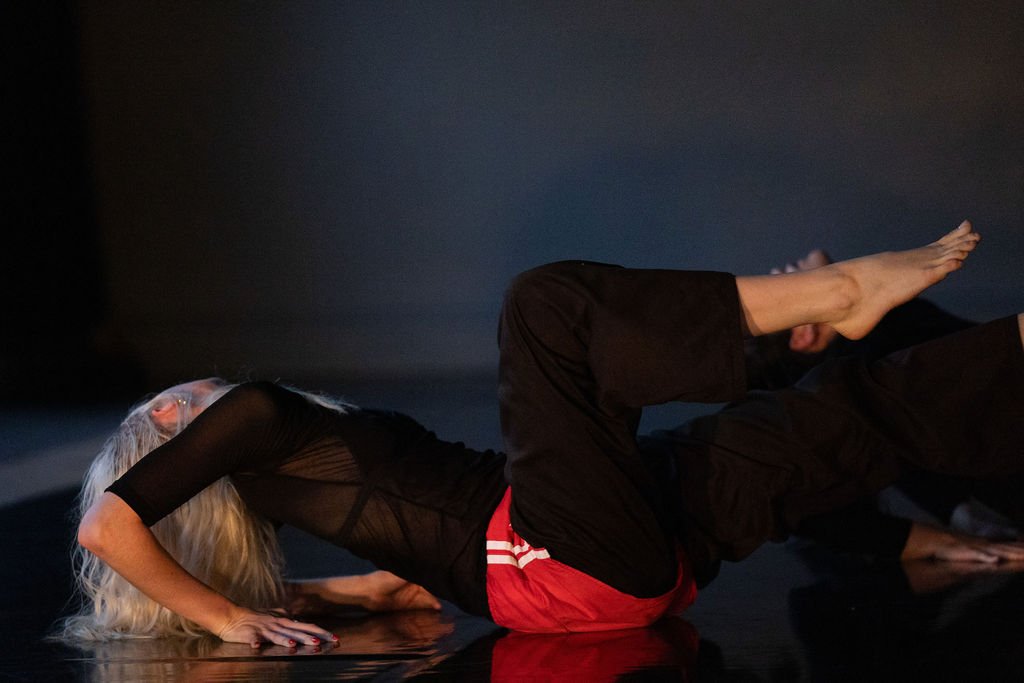
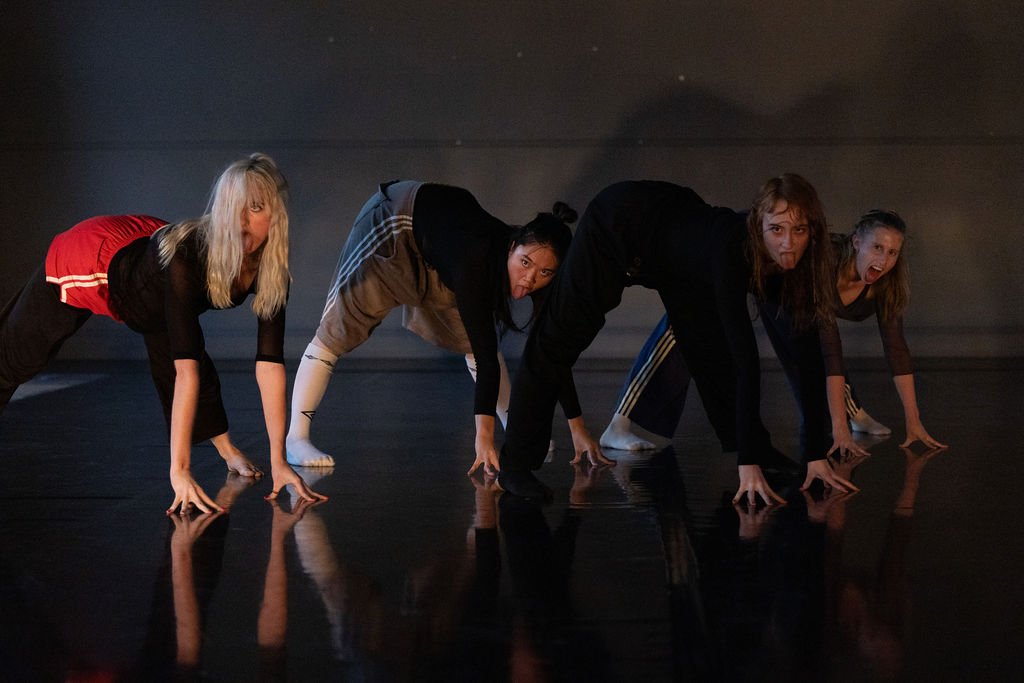
‘Mud Monsters’ is a contemporary dance and theatre work which subverts the femme fatale archetype by demonstrating its power in assertion, its capacity for scaring people, its ability to seduce, its gruesome sexuality which reclaims the power previously taken by the male gaze, its power in embracing the ugly, and, ultimately, its tenderness in its delayering and disarming.
This work is a reclamation of power, an embodiment of what it is to be gritty, unapologetic, unashamed, and unafraid.
Mud Monsters has a clear movement language involving wide grounded shapes using the strength of the body, a texture of resistance, and a grotesque freakishness. The work draws from Jungian psychoanalytic theory — activating the femme fatale as an archetype, a persona with several related attitudes and characteristics, called forth by patriarchy and violent masculinities.
This dance is one of power, empowerment, and reclamation — a commentary on our fears of femininity, true liberation, and uninhibited joy.
Subverting the femme fatale
‘Mud Monsters’ is a contemporary dance and theatre work which subverts the femme fatale archetype by demonstrating its power in assertion, its capacity for scaring people, its ability to seduce, its gruesome sexuality which reclaims the power previously taken by the male gaze, its power in embracing the ugly, and, ultimately, its tenderness in its delayering and disarming.
This work is a reclamation of power, an embodiment of what it is to be gritty, unapologetic, unashamed, and unafraid.
Mud Monsters has a clear movement language involving wide grounded shapes using the strength of the body, a texture of resistance, and a grotesque freakishness. The work draws from Jungian psychoanalytic theory — activating the femme fatale as an archetype, a persona with several related attitudes and characteristics, called forth by patriarchy and violent masculinities.
This dance is one of power, empowerment, and reclamation — a commentary on our fears of femininity, true liberation, and uninhibited joy.
Past Projects
Making movement with meaning
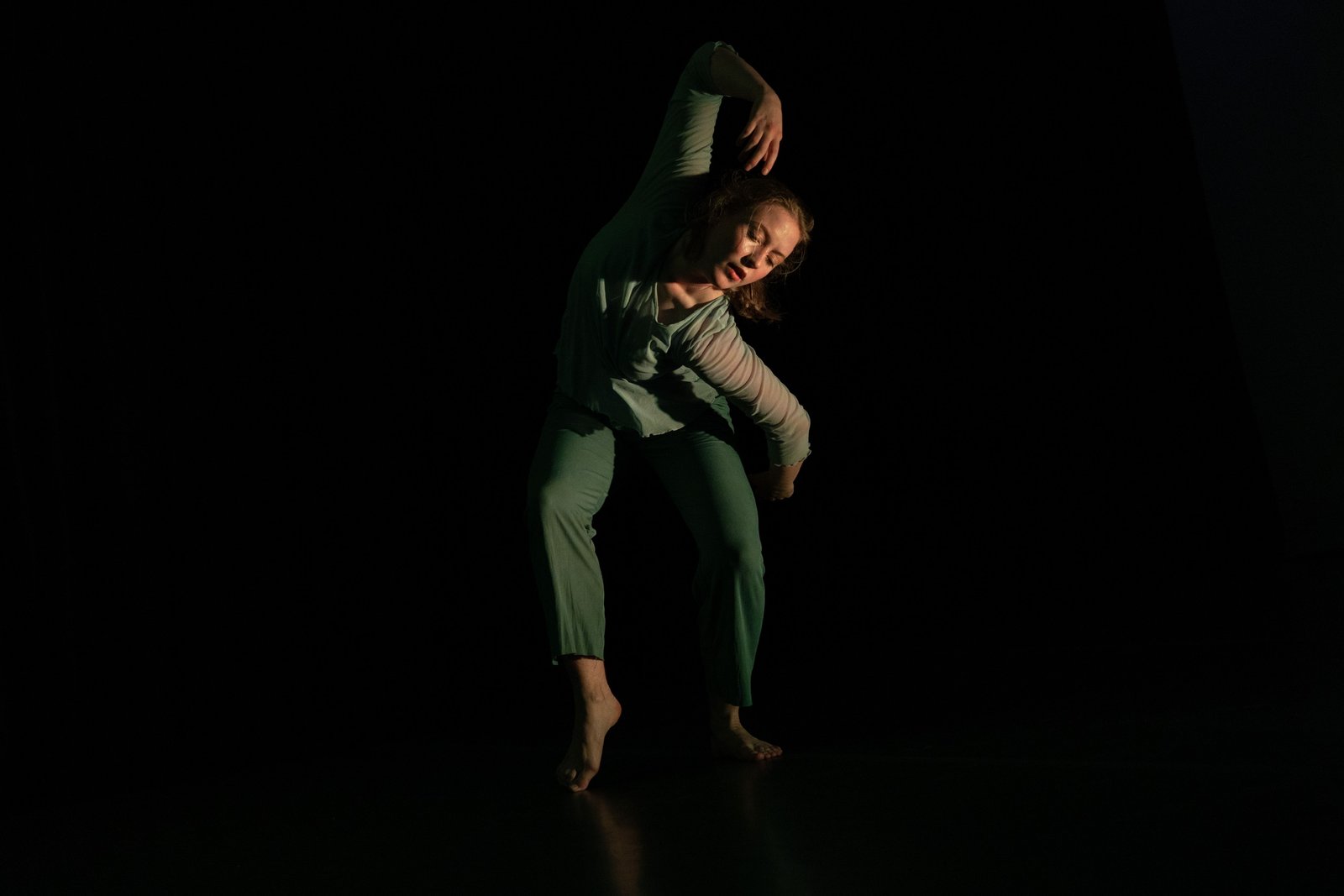
Ode to the Earth
About the Work
‘Ode to the Earth’ explores the human body’s place in the ecosystems that support our life. In the context of the climate and ecological crisis, it acts as a safe space where grief can be processed, and our connection to each other and the earth is celebrated — a thread that can pull us into harmonious interrelationship.
Born from the remembering of how inseparable humans are from the ecosystems around us and below our feet, the work moves through grief, extinction, numbness, the joy of connection, and cycles of life, death and birth through intricate choreography and improvised movement scores.
The soundscape includes running water, thunder, the call of the last Kauaʻi ʻōʻō bird before its extinction, and music that facilitates the journey into emotion. Voices are woven throughout, posing questions to guide the audience into embodiment, reflection and extrospection.
Context & Collaborators
Photography
Conceptual Pillars
01
Fear of Femininity
02
True Liberation
03
Uninhibited Joy
The monster as mirror
Borne of a desire to reject a performance of femininity that restricts and constricts the sense of self, Mud Monsters portrays the femme fatale as unapologetic, unafraid, unashamed, and gritty.
In exploration of this character, the ‘monster’ aspect of this ‘scary’ feminine creature embraces sexuality in gruesomeness. If in philosophy a monster embodies our fears, the mud monster positions us to question our fear of vulnerability and authentic femininity.
The work draws reference from the ways in which a character’s personality can be communicated through gesture, presence, music, and dramatic irony — seeking to subvert the traditional chauvinistic archetype most known for the disaster she brought to men, by demonstrating her power for good, for connection, and for moving through the gruesome with grace.
The Mud Monster femme fatale is a combination of the hero and the rebel in Jungian archetypes — proving worth through fearlessness while fearing weakness, yearning for change, seeking to shock as a strategy for disruption, and fearing powerlessness.
The Mud Monster takes the femme fatale out of her rigid box of femininity and places her in a functional feminist practicality — playing on society’s fear of femininity, vulnerability and feminine sexuality.
Using research on the Horror Genre and the psychology of what we perceive to be ‘monsters’ — that which reveals our fears, fascinations, dependence, and repressed aspects of the psyche — this work explores the Mud Monster as a character who can show the power and freedom in accepting vulnerability and tenderness as healing fear and power imbalances.
The femme fatale is the archetype of both extremes: attraction and repulsion, good and evil. The Mud Monster is what she becomes when she is no longer viewed through the male gaze.
She moves through discomfort to no longer be romanticised
The Mud Monster is an unravelled femme fatale. She moves through discomfort and an aggressively assertive projection — to no longer be romanticised and demonised by patriarchy — toward something safe, loving, vulnerable and tender.
In patriarchal discourse, the femme fatale is portrayed as beautiful, enchanting, manipulative, seductive, and destructive. The Mud Monster asks: what if she wasn’t viewed through that lens at all?